
Views: 0 Author: Site Editor Publish Time: 2026-08-19 Origin: Site


Rising summer temperatures force homeowners into a difficult corner. You often have to choose between uncomfortably hot living spaces or skyrocketing air conditioning costs. Standard window treatments like aluminum slats or sheer curtains completely fail to prevent solar heat gain. They act only as visual barriers rather than true thermal insulators. When heat waves strike, these flimsy coverings let hot air pour right into your rooms.
Fortunately, honeycomb blinds offer a measurable, passive cooling solution. They utilize trapped air to disrupt thermal transfer before it ruins your indoor comfort. Their effectiveness depends heavily on correct specification and proper installation, but getting it right yields huge rewards. In this guide, you will learn the exact physics behind these cellular shades. We will walk you through the key metrics, installation rules, and fabric choices needed to keep your home cool and comfortable.
Thermal Physics: The cellular structure of honeycomb blinds traps static air, creating an insulating barrier that significantly reduces solar heat gain through windows.
Metric-Driven Selection: Performance is measured by R-value; double-cell and blackout configurations offer the highest verified thermal resistance.
Implementation Reality: A tight inside mount is critical; edge gaps can negate up to 50% of the blind's insulating properties.
ROI/Expectations: While they do not replace active HVAC systems, they measurably reduce peak cooling loads and lower energy expenditures when deployed correctly.
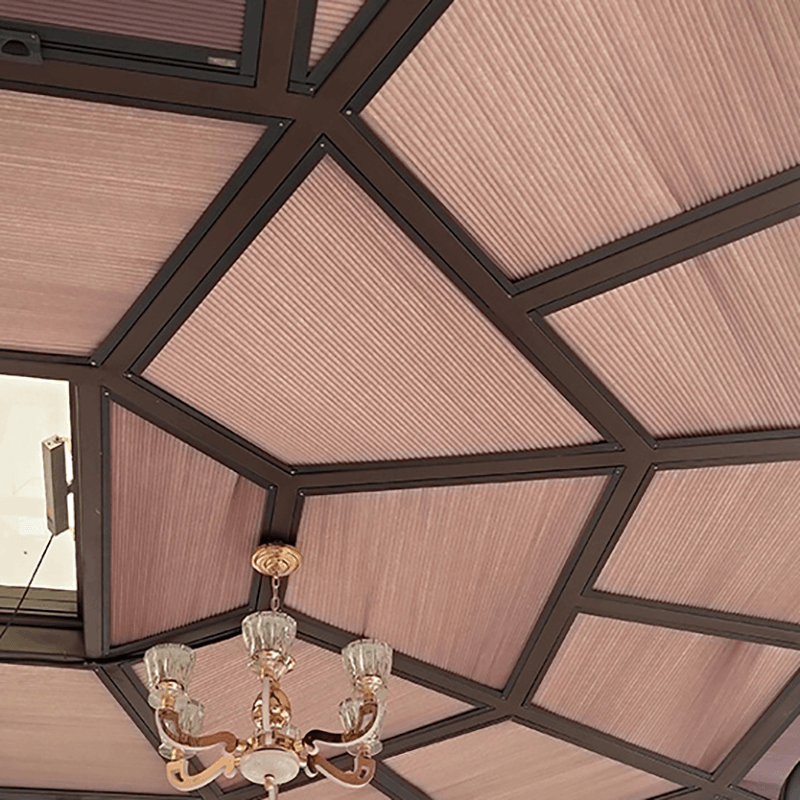
Solar radiation enters your home through window glass as shortwave energy. This energy passes through transparent materials effortlessly. It then strikes your floors, walls, and furniture. These surfaces absorb the energy and radiate it back as longwave infrared heat. Window glass traps longwave heat inside the room. This process creates a powerful greenhouse effect. Standard slat blinds do nothing to stop this cycle. They allow heat to bypass them easily via convection currents. Warm air simply flows between the slats and circulates throughout your living space.
Cellular shades approach this thermal problem differently. High-quality honeycomb blinds use hexagonal pockets to trap static air. Static air is a notoriously poor conductor of heat. The cellular structure effectively creates a thermal buffer between the hot windowpane and the room interior. Heat transfer slows down dramatically when it hits this barrier. The trapped air blocks the conductive path. It stops the window glass from radiating high temperatures directly into your ambient indoor air.
We must acknowledge a fundamental rule of building physics. Exterior shading always stops heat better because it blocks radiation before it hits the glass. Awnings and exterior shutters are excellent primary defenses. However, most homeowners cannot alter their home exteriors due to cost or HOA restrictions. Exterior solutions are often impractical. When exterior shading is not an option, cellular shades provide the most effective interior defense against thermal bridging. They stop the heat exactly where it attempts to enter the room.
Industry professionals measure thermal resistance using R-value. Higher R-values indicate stronger insulation. Standard single-pane windows often have an R-value of just 1.0. Adding standard roller shades might push this to 1.5. Cellular shades can boost window insulation up to an R-4 or R-5 rating. A good rating for residential cooling starts at R-3. This measurable jump in thermal resistance is exactly what keeps extreme summer heat at bay.
You will face a choice between single-cell and double-cell designs. Your climate and primary cooling goals should dictate your choice.
Single Cell: These shades feature one row of air pockets. They are lighter and generally more affordable. Single-cell shades suit moderate climates perfectly. They offer solid energy efficiency for standard summer days.
Double Cell: These feature two interlocking rows of air pockets. They provide a superior thermal barrier. They boast a higher R-value than single-cell models. Experts highly recommend double-cell designs for heatwave-prone regions. They offer maximum protection against triple-digit temperatures.
Feature | Single Cell | Double Cell |
|---|---|---|
Air Pockets | One layer | Two interlocking layers |
Thermal Resistance | Moderate (Ideal for mild climates) | Maximum (Ideal for severe heatwaves) |
Weight & Profile | Lightweight, compact stacking | Slightly heavier, thicker profile |
R-Value Boost | Adds roughly R-1.5 to R-2.0 | Adds roughly R-3.0 to R-4.0+ |
Another crucial metric is the Solar Heat Gain Coefficient. SHGC measures the percentage of solar heat entering a room. A lower SHGC means less heat successfully passes through the window system. Combining honeycomb structures with specific fabrics impacts this number drastically. Blackout fabrics lower the SHGC far more effectively than sheer fabrics. Paying attention to SHGC ratings helps you identify truly efficient window coverings.
Fabric choice dictates both aesthetics and raw cooling power. You must match the fabric type to the room's function and sun exposure.
Blackout: Blackout fabrics feature a mylar or foil lining hidden inside the cells. This metallic layer offers maximum thermal blocking by reflecting radiant heat. Blackout shades are best for bedrooms and direct sun-facing windows. You should deploy them on South and West elevations where afternoon heat is most severe.
Light Filtering: These fabrics diffuse harsh glare while retaining natural light. They have a slightly lower thermal rating than blackout options. They remain ideal for living areas and home offices. You can read, work, and relax without relying on artificial overhead lights.
Many consumers hold a common assumption about color. They believe dark shades block more sun. Dark fabrics do block light, but they absorb massive amounts of solar energy. This absorbed heat eventually radiates into your room. Light colors facing the street reflect more solar energy away from the glass. You must ensure the street-facing side of your honeycomb blinds is white or neutral. Most high-quality cellular shades feature a white exterior backing specifically for this purpose.
You should strongly consider the Top-Down/Bottom-Up operating feature. This upgrade allows strategic ventilation during summer months. Hot air naturally rises to the ceiling. This feature lets you lower the top of the shade to vent trapped hot air. You can keep the bottom half closed for strict privacy. You maintain essential shading at eye level while allowing ambient room heat to escape through open top windows.
The best insulating fabric in the world fails if installed incorrectly. We warn all homeowners against poor measuring. If your shades have large side gaps, a "halo effect" occurs. Convective heat loops will form along the window edges. Hot air from the glass surface pushes rapidly into the room. This process bypasses the cellular insulation entirely. You must measure carefully. Even a half-inch gap can ruin your thermal barrier.
You have two primary mounting options. Each impacts thermal efficiency differently.
Inside Mount installations place the shade entirely within the window frame. This approach yields maximum thermal efficiency. It creates a tight seal against the window casing. It traps air exactly where it belongs. You must measure tightly for inside mounts to work.
Outside Mount installations place the shade above and outside the window frame. This method is necessary for very shallow window frames. It introduces significant heat leakage risks. You must add significant overlap to the width and height. Extending the fabric three inches past the window opening prevents severe heat leakage.
Passive cooling requires active daily management. You cannot simply hang shades and forget them. Follow this clear daily schedule for maximum results:
Morning Routine: Close all East-facing blinds by 8 AM. The morning sun strikes these windows first. Keep them closed until the sun passes over the roofline.
Afternoon Shift: Close all West-facing and South-facing blinds by 1 PM. Afternoon heat is the most intense. Keep these windows fully covered until sunset.
Evening Purge: Open windows for cross-ventilation only when the exterior temperature drops below the interior temperature. Purge the trapped heat using strategic breezes.
Secure the Seal: Close the windows and lower all blinds fully before you go to sleep. You want to trap the cool night air inside for the next day.
Skeptics often question the real financial impact of window shades. General baselines from the Department of Energy provide compelling evidence. The DOE notes that tightly installed cellular shades can reduce heat gain through windows by up to 40%. They trap the heat at the glass surface. This conservative, verifiable range proves their immense utility. They provide a measurable drop in indoor temperatures without using a single watt of electricity.
You should frame the financial benefit correctly. These shades will not make a 100°F room feel ice cold on their own. Their true value lies in HVAC load reduction. Honeycomb blinds prevent your AC unit from short-cycling. They stop the system from running continuously during peak afternoon hours. Your compressor works less. Your ductwork handles a lower thermal burden. This reduced mechanical strain extends the lifespan of your HVAC equipment. It visibly lowers your monthly energy expenditures.
Choosing the right configuration does not need to be complicated. Use this simple decision matrix to finalize your purchase strategy.
Primary Goal | Recommended Cell Count | Recommended Fabric | Mount Type |
|---|---|---|---|
Surviving extreme 100°F heatwaves | Double-Cell | Blackout (Mylar lined) | Inside Mount (tight fit) |
Moderate cooling & natural light | Single-Cell | Light-Filtering | Inside Mount |
Cooling with shallow window frames | Double-Cell | Blackout | Outside Mount (large overlap) |
Privacy with high ventilation | Single or Double | Light-Filtering | Top-Down/Bottom-Up |
Honeycomb blinds serve as a scientifically sound, passive insulation tool. They utilize simple physics to combat aggressive summer heatwaves. They stop thermal bridging at the glass surface. They trap static air to insulate your living space effectively. However, their true potential unlocks only when you prioritize a tight fit. You must choose the appropriate cell count and fabric type for your climate.
Take proactive steps before the next heatwave arrives. Start by evaluating your most problematic sun-facing windows. Order free fabric samples to test light transmission in your home. Read a comprehensive measurement guide carefully. If you doubt your window frame depths, book a professional consultation. Proper planning ensures a gap-free fit and maximum summer comfort.
A: Yes, dark fabrics absorb significant heat if they face the sun. High-quality cellular shades solve this by using a white or neutral backing on the street-facing side. You can enjoy a dark interior color while the white exterior backing reflects solar energy away.
A: Most cellular fabrics resist mild moisture. However, high-humidity bathrooms pose risks. Trapped air between the glass and the blind can cause heavy condensation. You should vent the room properly or choose moisture-resistant faux wood blinds for very wet areas.
A: Absolutely. Double-cell shades provide year-round financial benefits. They keep brutal heat out during the summer. They also keep expensive furnace heat inside during the winter. This dual-action insulation lowers utility bills across all twelve months.
A: Yes, they excel at UV protection. Most cellular shades block between 95% and 99% of harmful UV rays. This high protection rate prevents your hardwood floors, artwork, and expensive furniture from fading in direct sunlight.


