
 |


| Quantity: | |
|---|---|
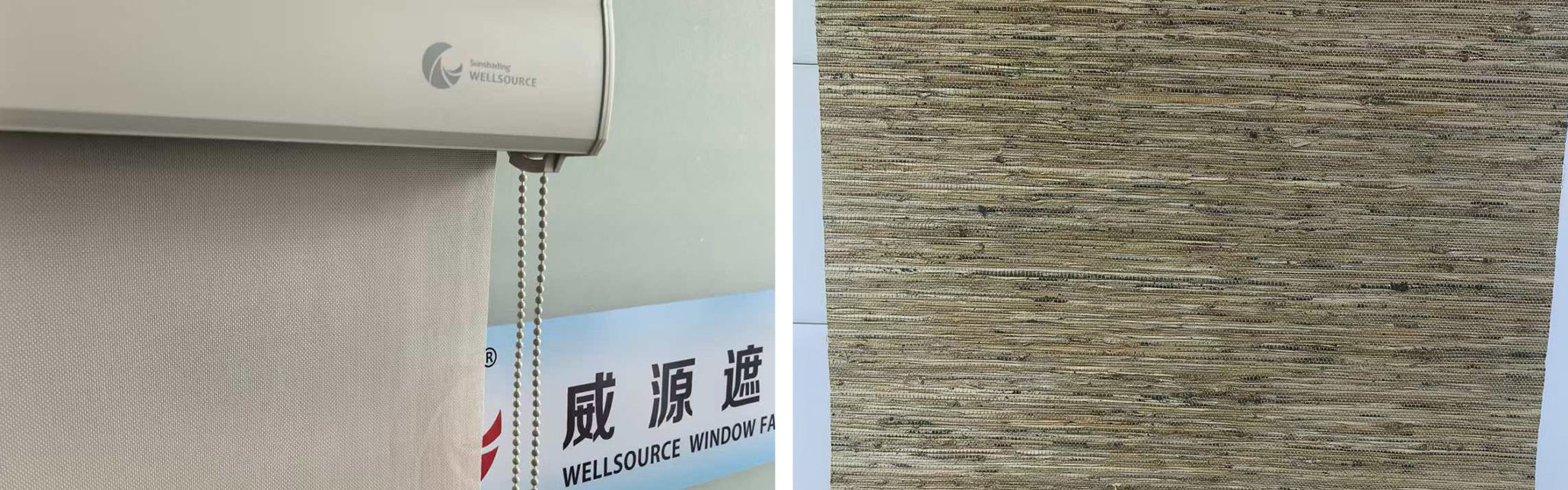
Roller Blinds: Classic Simplicity and Practical Window Coverings
1. Roller Tube System
The top of a roller shade features a circular roller tube, typically made of aluminum alloy with anodized surface treatment for corrosion resistance. Inside the tube, a drive mechanism (such as bead chain, spring, or motor) rotates the tube to raise or lower the fabric.
2. Fabric: Common fabric types include
Blackout Fabric: Coated with acrvlic or PVC on the back, completely blocks light ideal for bedrooms, home theaters, and spaces requiring total darkness.
Light-Filtering Fabric: Allows partial light penetration, creating soft ambient lighting-suitable for living rooms, dining areas, and daily activity spaces.
Sunscreen Fabric: Woven from PVC or fiberglass, provides clear outward visibility while maintaining privacy from outside, blocks UV rays and reduces glare-perfect for offices and sunrooms.
Waterproof And Mildew-Resistant Fabric: Specially treated for humid environments like kitchens and bathrooms.
3. Bottom Rail
The bottom rail attaches to the bottom edge of the fabric, serving as weight to keep the fabric hanging straight and smooth. Bottom rails are typically made of aluminum or PVC, with colors matching the fabric for a clean, seamless appearance.
4. Mounting Brackets
These brackets secure the roller shade to the window frame or wall, usually a pair of symmetrical metal brackets. Some systems offer top-mount or side-mount bracket options to accommodate different installation requirments.
5. Drive System
Roller Blinds are categorized by operating method:
Bead Chain Roller Blinds: Controlled by plastic or metal bead chains, the classic maunal operating low cost and high reliability.
Spring Roller Blinds: Feature built-in spring mechanism-gently pull down to stop at any position, pull down slightly and retract automatically. Cordless design offers convenient operation.
Motorized Roller Blinds: Incorporate tubular motors, controlled via wall switches, remote controls, smartphone apps, or even voice commands. Ideal for high windows or hard-to-reach locations, and can integrate with smart home systems.
Cordless Or Spring-operated: Options eliminate dangling cord hazards, protecting children's safety.
Roller Blinds Suit Virtually Any Space:
Residential: Bedrooms (blackout), living rooms (light-filtering or sunscreen), kitchens and bathrooms (waterproof fabric).
Offices: Sunscreen fabric reduce glare while maintaining outward views, contributing to energy efficiency.
Schools And Hospitals: Easy to clean and maintain with low upkeep costs.
Hotels: Motorized options enhance convenience and modern appeal.
Sunrooms And Balconies: Sunscreen fabrics block UV rays and solar heat.


