
Views: 0 Author: Site Editor Publish Time: 2026-08-11 Origin: Site


You are likely familiar with standard window treatments. Perhaps you currently use basic roller shades or standard aluminum slats. Now, you are evaluating honeycomb blinds as a potential premium upgrade for your living space. Balancing your specific aesthetic requirements with daily functional demands can feel challenging. Homeowners often struggle to find solutions offering true thermal insulation, high energy efficiency, and precise light control in one package. We understand this household problem well. While their unique structural design delivers measurable utility advantages, they present specific maintenance realities. You must weigh these realities carefully before outfitting a whole house. We maintain a pragmatic, evidence-based approach to this evaluation. Below, we will explore the exact mechanisms driving their efficiency. You will discover practical implementation strategies and learn where they excel most. We will also detail their physical limitations so you can make an informed, confident purchase decision.
Thermal Efficiency: The trapped-air cellular structure actively reduces heat transfer, acting as a measurable insulator for both summer cooling and winter heat retention.
Versatile Light Control: Available in varied opacities—from sheer to true blackout—making them adaptable for any room's functional needs.
Operational Flexibility: Top-down/bottom-up configurations provide a rare balance of natural light penetration and strict privacy.
Maintenance Trade-Offs: The same cellular structure that traps air can trap dust and insects, requiring specific cleaning protocols compared to hard-slat blinds.
Let us look at how the physical mechanism actually works. The hexagonal pockets trap ambient air naturally. This trapped air creates a distinct insulating barrier against the cold or hot window pane. Air acts as an incredible natural insulator. We see this exact same principle used in double-pane glass windows. When you install these cellular shades, you actively disrupt aggressive heat transfer. The hollow cells stop outdoor temperatures from radiating into your living space.
This structural feature correlates directly to measurable home outcomes. You will notice significant reductions in your daily HVAC workload. Your indoor ambient temperatures stabilize effectively across distinct seasonal shifts. During blistering summer afternoons, the trapped air blocks harsh solar heat gain. In freezing winter months, it prevents expensive indoor heating from escaping through drafty glass. Your furnace and air conditioner simply run less often.
R-value measures thermal resistance accurately. Higher R-values indicate superior overall insulation. Single-cell designs provide a very solid baseline R-value. They block moderate temperature fluctuations easily. Double-cell designs offer dramatically higher R-values. They stack two distinct layers of hexagonal pockets together. You should strongly consider double-cell models for extreme weather climates. A common mistake is buying basic single-cell shades for drafty, historic windows. Always match your cell count to your regional weather severity.
Standard slatted blinds suffer heavily from annoying light bleed. Bright light sneaks through routing holes and gaps between individual aluminum slats. We can clearly contrast this against the light-blocking efficacy of honeycomb blinds. Their continuous fabric structure eliminates structural gaps entirely. They sit snugly inside the window frame. This close fit prevents harsh early morning sunlight from ruining your rest.
You can specify foil-lined blackout cells for ultimate light control. A thin layer of Mylar lining sits hidden inside the hollow chambers. This metallic foil completely stops incoming light penetration. Homeowners find this specific utility perfect for dedicated media rooms. Parents rely heavily on blackout cells for daytime nursery naps. Shift workers depend on them to simulate midnight darkness at noon. Best practice involves measuring your frame perfectly. A tight inside mount blocks edge light best.
We must provide realistic expectations regarding noise reduction. No window treatment will completely soundproof a busy, loud room. However, soft cellular fabric absorbs disruptive sound waves highly effectively. The hollow fabric chambers trap noise just like they trap heat.
This acoustic absorption dampens loud street noise noticeably. It also reduces annoying interior echoes in large, empty spaces. Rooms featuring hard floors and tall ceilings benefit immensely. You will experience a quieter, more acoustically pleasant environment daily. Hard-slat wood or aluminum blinds simply bounce sound around the room. Cellular shades soften the acoustic profile of your home beautifully.
Evaluating the privacy-to-light ratio is crucial for ground-level rooms. Standard shades force you to choose between natural daylight and total privacy. You usually cannot enjoy both simultaneously. Top-down/bottom-up configurations solve this annoying dilemma perfectly.
You simply lower the top half of the shade to allow bright, natural daylighting. At the same exact time, the bottom half remains securely closed. This setup maintains strict eye-level privacy from the street outside. Neighbors and passing pedestrians cannot look into your private living space. We recommend this configuration highly for street-facing living rooms and first-floor bedrooms. It provides a rare, highly sought-after functional balance.
Modern child-safety standards demand cordless operations in family homes. Cellular shades meet these strict standards easily and elegantly. They operate via internal cordless tension systems by design. You push up or pull down on the bottom rail smoothly. This eliminates dangerous dangling pull cords entirely. It protects small children and curious pets from severe entanglement hazards.
Motorization serves as an excellent scalability solution for larger properties. Hard-to-reach windows pose a distinct operational challenge. Skylights and double-height foyer windows require automated lifting solutions. Motorized systems integrate seamlessly into your existing smart-home ecosystem. You can schedule them to open automatically at sunrise. You can command them to close when afternoon temperatures spike. This automation maximizes your overall energy efficiency effortlessly.
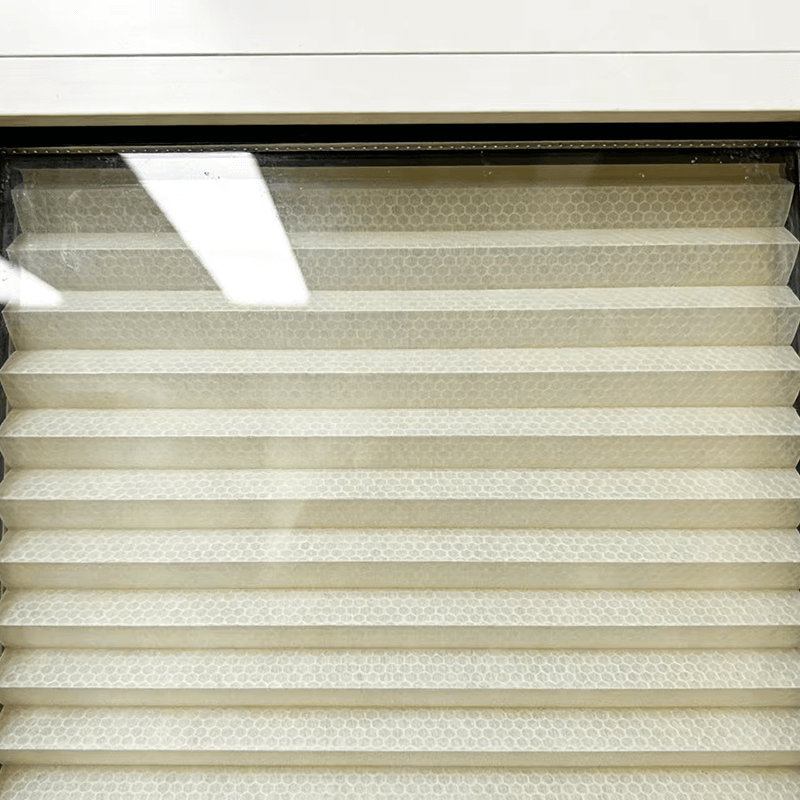
We must address the primary user complaint honestly and transparently. The side-cells remain completely open by design. Dust, airborne debris, and occasionally dead insects accumulate inside these open side-cells over time.
This physical reality requires a specific, careful cleaning protocol. You cannot just wipe them down using a damp cloth. Hard-slat faux wood or aluminum blinds only need a quick dusting. Instead, you must use canned compressed air to blow out trapped debris. Alternatively, you can use a vacuum cleaner featuring a soft brush attachment. Gently run the brush across the fabric face. Do not apply heavy suction ever. Excessive vacuum suction can crush the delicate hexagonal structure permanently.
Fabric cells remain highly vulnerable to accidental pet damage. Cats often try to climb them to see outside. Dogs might bend or tear the spun fabric cells while aggressively barking at strangers. Rigid materials like faux wood or solid polymer shutters handle physical impact much better. We advise against installing cellular shades on patio doors where large dogs jump. You will likely face premature and expensive replacement costs.
Moisture retention poses another significant environmental risk. We do not recommend honeycomb blinds for high-humidity areas. Avoid installing them in active shower rooms or poorly ventilated bathrooms. The hollow interior cells trap ambient steam easily. This trapped moisture breeds mold and black mildew deep inside the dark chambers. Once mildew sets into the woven fabric, you cannot clean it out completely.
Cellular shades feature a crisp, modern, horizontally pleated profile. This sleek look fits contemporary and transitional interior spaces beautifully. They fold up tightly and let your home architecture shine without visual clutter.
However, this modern aesthetic may clash heavily with highly traditional interior designs. Ornate interior design requirements often demand rich, layered textures. Victorian or heavily rustic homes usually look better featuring heavy wood shutters or dramatic drapery. Consider your overarching room decor carefully. These particular shades prioritize clean functional utility over ornate decorative flair.
You should view your purchase as an active investment in your home infrastructure. Single-cell light-filtering shades position themselves as the entry-level baseline. They offer excellent immediate value for moderate climates and standard window sizes.
We must evaluate the price premiums for upgraded features carefully. Double-cell structures require more raw material and cost more upfront. Blackout fabrics add a distinct price premium due to the foil lining. Motorized hardware increases the initial investment significantly. However, these upfront costs translate directly into long-term payback via lower monthly utility bills.
Shade Feature Comparison Chart
Shade Feature | Initial Cost Impact | Primary Benefit | Long-Term Payback Speed |
|---|---|---|---|
Single-Cell Filtering | Baseline Entry Cost | Basic light control and moderate insulation | Moderate |
Double-Cell Structure | Medium Premium | Maximum R-value and superior thermal retention | Fast in extreme summer/winter climates |
Blackout Foil Lining | Low Premium | Total room darkness and superior evening privacy | Varies based on sleep quality improvements |
Smart Motorization | High Premium | Automated daily climate control and high accessibility | Fast via automated HVAC energy savings |
Offsetting initial installation costs is highly possible for informed buyers. Certain high-efficiency cellular shades qualify for federal energy tax credits. The government actively rewards homeowners who improve household energy efficiency.
You might also find local utility rebates available in your specific geographic area. Check directly with your local power company before purchasing. These financial incentives offset the initial costs of premium hardware greatly. Purchasing specialized honeycomb blinds suddenly becomes highly competitive against standard window treatments. Keep all manufacturer documentation, performance ratings, and installation receipts for your annual tax filings.
You must deploy your renovation budget strategically across your floor plan. Not every single room requires premium cellular technology to function well.
We recommend focusing your budget on rooms yielding the highest functional return. Focus heavily on areas demanding strict temperature regulation and light management.
Bedrooms: These intimate rooms demand complete darkness for optimal sleep cycles. Blackout cellular shades block early morning sun perfectly. The added insulation keeps bedrooms exceptionally cozy during freezing winter nights.
Street-Facing Living Rooms: Daily privacy remains absolutely paramount here. Implement top-down/bottom-up operation hardware. You let warm sunlight stream across the ceiling while blocking street-level visibility completely.
Drafty Historical Windows: Older homes often feature very thin single-pane glass. Cellular shades act as a highly effective secondary barrier. They dramatically reduce the freezing drafts common in historical home construction.
You should completely avoid installing cellular fabrics in specific harsh environments. Certain common rooms will destroy the delicate fabric structure quickly.
Kitchen Sink Windows: Daily cooking generates airborne grease and oil. Splatter from the sink will stain the woven fabric permanently. Choose wipeable faux wood or vinyl rollers here instead.
Heavy-Use Bathrooms: Constant hot showers generate heavy trapped steam. Excessive moisture breeds hidden mildew deep inside the cellular pockets. Opt for moisture-resistant treatments instead.
Sliding Glass Doors: High pet traffic zones pose severe tearing risks. Dogs scratching repeatedly to go outside will ruin the fabric quickly. Consider durable vertical panels or thick drapery instead.
We can confidently summarize our final verdict for buyers. They offer unmatched everyday utility in insulation and precise light control. This remains true provided you actively accept their specific fabric-care requirements. You must commit to periodic vacuuming or compressed air cleaning. You also need to keep them far away from humid zones and aggressive house pets. If you manage these minor realities well, the energy efficiency and acoustic benefits will transform your living space dramatically.
We highly recommend taking the next logical step today. Order several fabric sample swatches directly to your home. Test their true light opacity against your actual windows during peak afternoon sun. Next, take exact window frame measurements carefully. You must determine your specific mounting depth requirements. Deep window frames easily accommodate inside mounts for a sleek, flush look. Shallow frames might require outside mounts to function properly without binding.
A: Yes, they do. Their trapped-air design actively increases your window's R-value. Older, drafty windows see the biggest efficiency jump. If you live in an area experiencing extreme climate shifts, you will see faster payback through noticeably lower heating and cooling demands.
A: It depends entirely on the fabric opacity you choose. Light-filtering fabrics might show vague interior silhouettes to neighbors when your indoor lights are on. True blackout opacities feature a foil lining. They completely block outward visibility and stop all inward light penetration.
A: Single-cell shades feature one continuous layer of hexagonal air pockets. Double-cell shades stack two distinct layers together. This double structure increases your thermal insulation significantly. However, it also creates a heavier, bulkier physical profile when stacked at the top of your window frame.
A: Never crush the insect, as it will permanently stain the fabric. First, try using a standard hairdryer on the cool setting to blow it out the side. Alternatively, place a vacuum nozzle over the open cell end to carefully suction the debris out.


